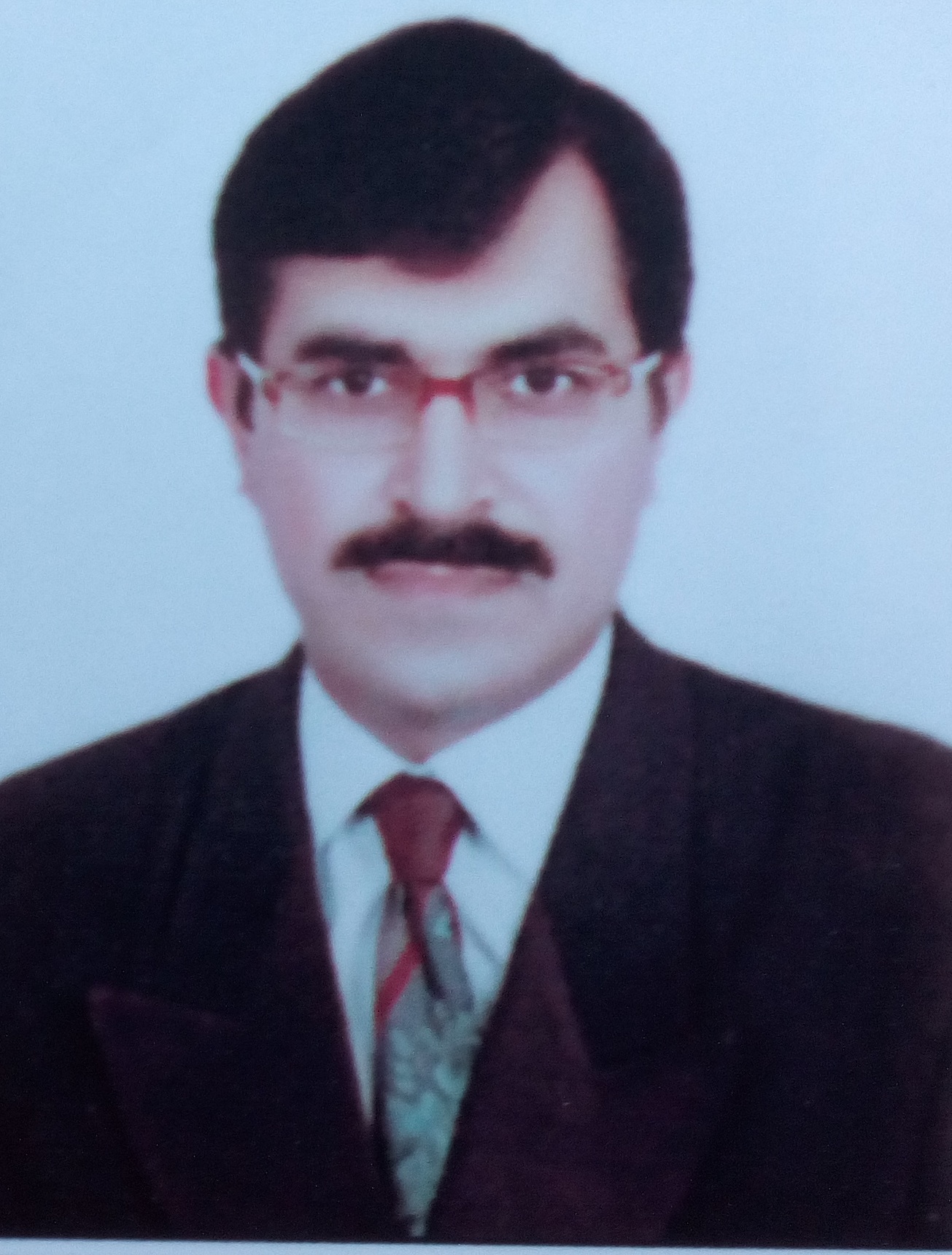
Prof. Dr. Abdul Rehman Jatoi
CHAIRMAN
Leading the department with excellence and innovation.
View ProfileAbout the Department
Mechanical Engineering involves the application of physics for the analysis, design, manufacturing, and maintenance of mechanical systems and their components. It requires a basic understanding of several fields such as mechanics, thermodynamics, and energy. Mechanical engineers are capable of applying engineering concepts for the efficient, economic, and environmentally friendly design and analysis of automobiles, aircraft, heating & cooling systems, buildings & bridges, industrial equipment, and machinery.
The department was established in 1974, and graduates are working in major national and international organizations ranging from Pakistan Steel, PIA, Railways, WAPDA, PMTF, Heavy Mechanical Complex, OGDCL, SSGC, OMV, ENG RO, NRL andseveral other organizations. A good number of our graduates are also working in the Gulf countries.
The Department of Mechanical Engineering offers a four-year (8 semesters) bachelor's degree in Mechanical Engineering. The syllabus contains a good number of practical-oriented subjects which provide a broad spectrum of technical knowledge to the students using laboratory experiments and workshop practice in a learning conducive environment department has taken full account of industrial electronics and Mechatronics courses in the syllabus. Besides, the department also offers various short courses not only on Mechanical Engineering software, i.e., AutoCAD, Pro-E, CNC, CAD/CAM, SOLIDWORKS, QBlade, ANSYS Fluent, and PLC but also on professional and personal career development.
Thedistinguishing feature ofthe department is the existence of08 highly established laboratories, which are fully equipped with the latest equipment. In addition, the jet engine test bench,supersonicwind tunnel, computer numerical controlled (CNC) turning and milling machines, advanced welding processes (TIG, MIG & SPOT), and a workshop are fully establishedforconducting practicals andresearchwork.
The Mechanical Engineering workshop is not only used for conducting experiments but also used to produce various articles, classes, and laboratory furniture for the University at a relatively low cost compared to the market.
In addition, the department also offers a Master's Program by mixed-mode (Course + Research) in Manufacturing Engineering and Industrial Engineering & Management. The active research areas are wind engineering, robotics, advanced manufacturing systems, mechanical system design, mechanical vibration, FEA, materials development & processing, quality management, alternative fuels, heat transfer & nano fluids, and energy& environment. The faculty members have received their specialized training and higher degrees mostly from developed countries, including the UK, Japan, Ireland, Thailand, Romania, Sweden, China, France, Germany, and Malaysia.
Mission:
The mission of the department is to impart cutting-edge knowledge to the students in the professional field with effective ethical communication skills to meet the challenges in the sustainable development of academia, industry, and society.
Mechanical Engineering Program Learning Outcomes
- PLO-1 Engineering Knowledge: Apply knowledge of mathematics, natural science, engineering fundamentals, and Engineering specialization to the solution of complex engineering problems.
- PLO-2 Problem Analysis: Identify, formulate, conduct research, literature, and analyze complex Engineering problems reaching substantiated conclusions using first principles of mathematics, natural sciences, and engineering sciences.
- PLO-3 Design/Development of Solutions: An ability to design solutions for complex engineering problems and design systems, components or processes that meet specified needs with appropriate consideration for public health and safety, cultural, societal, and environmental considerations.
- PLO-4 Investigation: Conduct investigation of complex Engineering problems using research-based knowledge and research methods, including design of experiments, analysis and interpretation of data, and synthesis of information to provide valid conclusions.
- PLO-5 Tool Usage: Create, select, and apply appropriate techniques, resources, and modern engineering and IT tools, including prediction and modeling, to complex Engineering problems, with an understanding of the limitations.
- PLO-6 The Engineer and the World: Analyze and evaluate sustainable development impacts to society, the economy, sustainability, health and safety, legal frameworks, and the environment while solving complex engineering problems.
- PLO-7 Ethics: Apply ethical principles and commit to professional ethics and norms of engineering practice and adhere to relevant national and international laws. Demonstrate an understanding of the need for diversity and inclusion.
- PLO-8 Individual and Collaborative Team Work: Function effectively as an individual, and as a member or leader in diverse and inclusive teams and in multi-disciplinary, face-to-face, remote, and distributed settings.
- PLO-9 Communication: Communicate effectively and inclusively on complex engineering activities with the engineering community and with society at large, such as being able to comprehend and write effective reports and design documentation, and make effective presentations, taking into account cultural, language, and learning differences.
- PLO-10 Project Management and Finance: Demonstrate knowledge and understanding of engineering management principles and economic decision-making and apply these to one’s own work, as a member and leader in a team, to manage projects in multidisciplinary environments.
- PLO-11 Lifelong Learning: Recognize the need for, and have the preparation and ability for i) independent and life-long learning ii) adaptability to new and emerging technologies, and iii) critical thinking in the broadest context of technological change.
Program Educational Objectives(PEOs)
The following attainments are expected to be imparted by Mechanical Engineering graduates;
- PEO 1: Professional to knowledge to fulfil market demands for socio•economic growth and sustainable development of society.
- PEO 2: Proficiency in applying modern techniques to solve problems effectively in practice.
- PEO 3: Managerial and communication skills coupled with ethical values to work independently and within a team
Degree Programs:
- Bachelor's
- B.E in Mechanical Engineering
- B.S in Mechanical Engineering Technology
- Master's
- M.E in Manufacturing Engineering
- M.E in Industrial Engineering & Management
- Doctor of Philosophy
- Ph.D in Mechanical Engineering


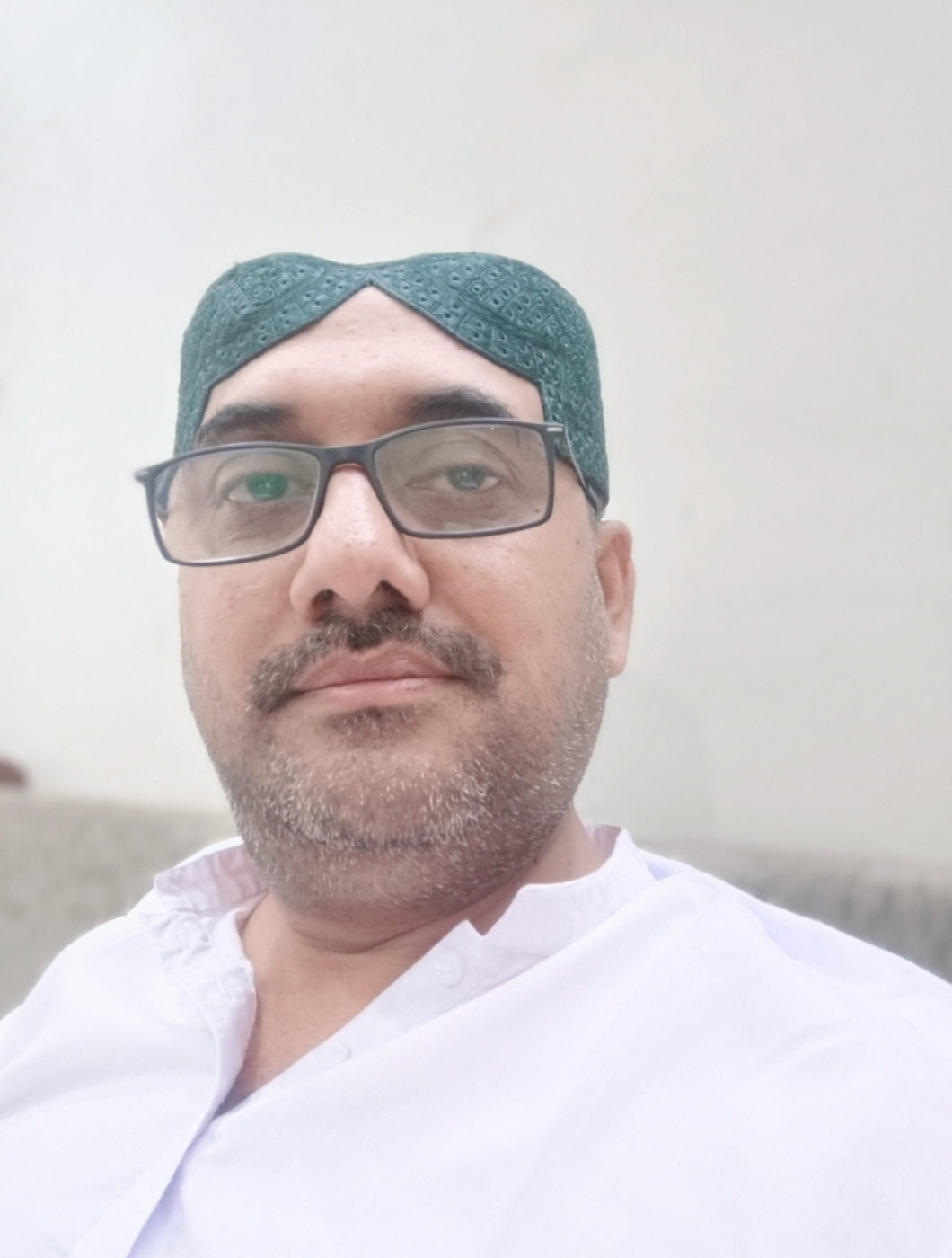
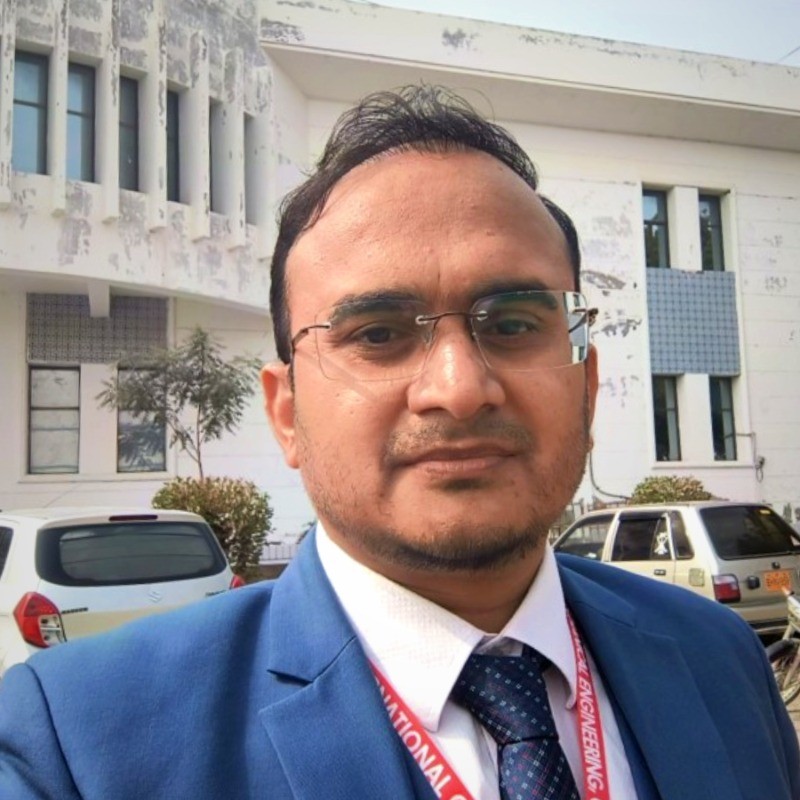
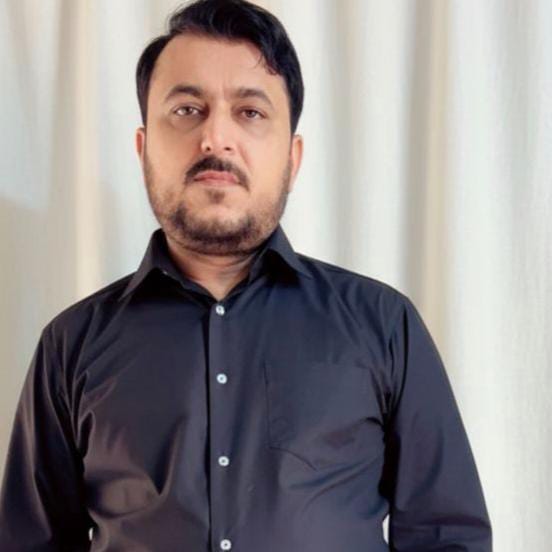
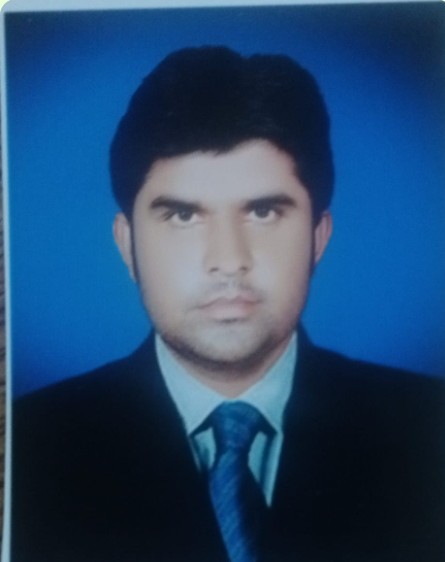
Teaching Staff

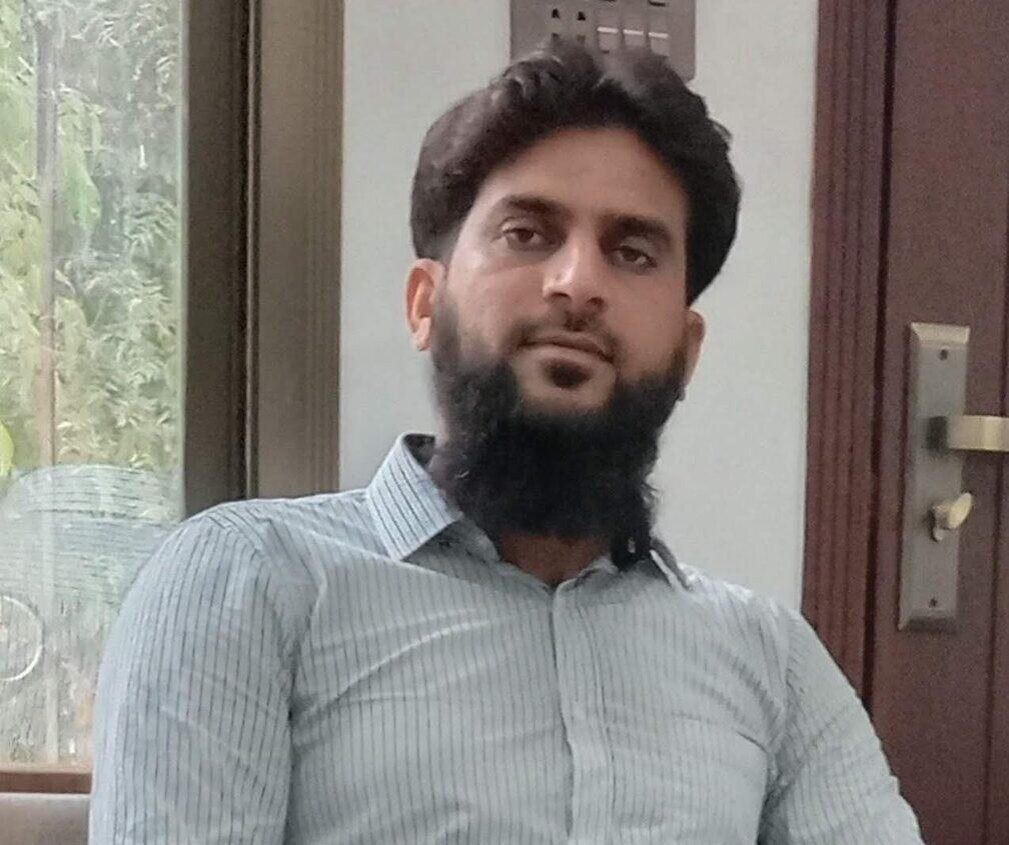
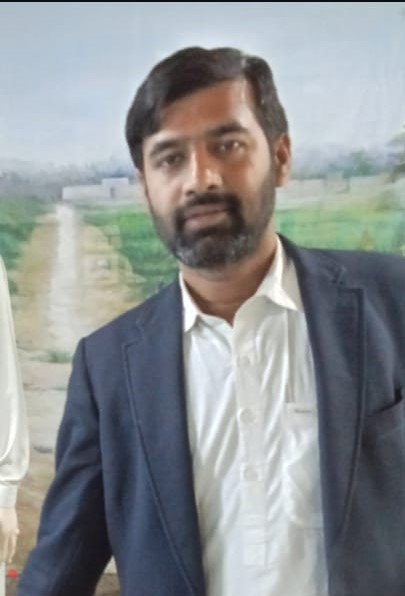
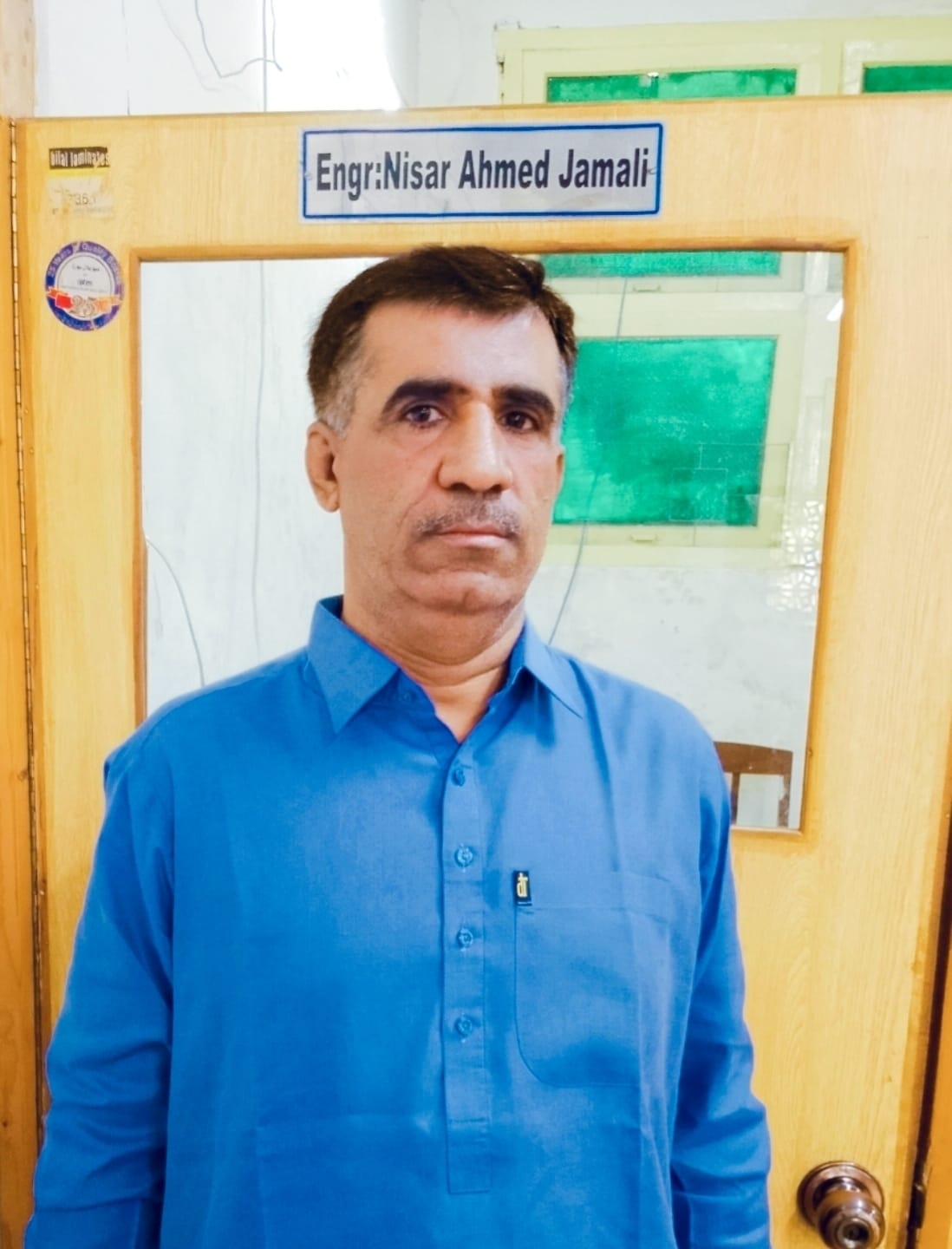
Scheme of Studies
1st Year
1st Semester
| Code | Course | Credit Hour |
|---|---|---|
| 168 | Pakistan Studies | 2 + 0 |
| 92 | Applied Physics | 2 + 1 |
| 171 | Functional English | 3 + 0 |
| 136 | Applied Calculus | 3 + 0 |
| 209 | Computer Fundamental | 2 + 1 |
| 57 | Workshop Practice | 0 + 2 |
2nd Semester
| Code | Course | Credit Hour |
|---|---|---|
| 58 | Differential Equations | 3 + 0 |
| 103 | Communication Skills | 2 + 1 |
| 177 | Engineering Drawing & Graphics | 2 + 1 |
| 60 | Engineering Statics | 2 + 1 |
| 62 | Engineering Materials | 3 + 0 |
| 169 | Islamic Studies/Ethics | 2 + 0 |
2nd Year
1st Semester
| Code | Course | Credit Hour |
|---|---|---|
| 63 | Complex Variable & Transforms | 3 + 0 |
| 64 | Engineering Dynamics | 2 + 0 |
| 1000 | Electronic Engineering | 2 + 0 |
| 66 | Mechanics of Materials-I | 3 + 1 |
| 67 | Thermodynamics-I | 2 + 1 |
| 135 | Electrical Engineering | 2 + 0 |
2nd Semester
| Code | Course | Credit Hour |
|---|---|---|
| 187 | Numerical Analysis & Computer Applications | 3 + 1 |
| 138 | Mechanics of Machines | 2 + 1 |
| 69 | Fluid Mechanics-I | 2 + 1 |
| 70 | Mechanics of Materials-II | 3 + 0 |
| 71 | Thermodynamics-II | 3 + 1 |
3rd Year
1st Semester
| Code | Course | Credit Hour |
|---|---|---|
| 148 | Statistics & Probability | 3 + 0 |
| 151 | Instrumentation and Control | 2 + 1 |
| 73 | Fluid Mechanics-II | 3 + 1 |
| 1001 | Engineering Management & Economics | 2 + 0 |
| 75 | Renewable & Emerging Energy Technologies | 2 + 0 |
| 81 | Machine Design& CAD-I | 2 + 1 |
2nd Semester
| Code | Course | Credit Hour |
|---|---|---|
| 76 | Manufacturing Processes-I | 2 + 1 |
| 77 | Machine Design & CAD-II | 3 + 1 |
| 78 | Heat & Mass Transfer | 3 + 1 |
| 79 | Mechatronics | 2 + 1 |
| 1002 | Total Quality Management | 2 + 0 |
| 147 | Technical report writing & Presentation skills | 2 + 0 |
4th Year
1st Semester
| Code | Course | Credit Hour |
|---|---|---|
| 82 | Aerodynamics | 3 + 1 |
| 83 | Safety, Health & Envoirment | 2 + 0 |
| 84 | Manufacturing Processes-II | 3 + 1 |
| 85 | Mechanical Vibrations | 3 + 1 |
| 54 | Final Year Project-I (FYP-I) | 0 + 3 |
2nd Semester
| Code | Course | Credit Hour |
|---|---|---|
| 86 | Power Plants | 3 + 1 |
| 87 | Heating Ventilation & Air• Conditions & systmes | 3 + 1 |
| 88 | Automobile Engineering | 32 + 1 |
| 89 | Maintenance Engineering | 2 + 0 |
| 55 | Final Year Project-II (FYP-II) | 0 + 3 |